
Each spring, right or wrong, I till my garden and rake it smooth. After the last frost—usually around mid-May—once my plants
are hardened off, I transplant all the vegetables and flowers I’ve been nurturing in the basement over winter. I dig each little
hole and add a bit of Osmocote slow-release fertilizer.
Then comes the hard work: mulching with Sweet Peat. I cover my entire garden and flower beds with a 3.5-inch layer of Sweet P
eat, which usually takes about four yards. This greatly reduces the number of weeds I need to pull; throughout the summer, I only
weed here and there. It also helps retain moisture in the soil, so I don’t have to water as often. After that, it’s game on—I just watch
the plants grow and wait for harvest. Other than tying my tomatoes and cucumbers to the netting, that’s about all I have to do.
In the fall, I till in the three inches of Sweet Peat I applied earlier in the season. I also add 320 pounds of Rooster’s Organic Soil
Compost, made from chicken manure.
Soil chemistry is just as important. Getting your soil tested makes a big difference. I sent mine to a lab and found that the results
were close to what my four-prong soil tester had shown. I had been struggling with Tomato blossom end rot. Everything online says it’s
caused by a lack of calcium, so I tried all kinds of calcium products—but nothing helped. What most sources don’t mention is that
if your soil pH isn’t correct, plants can’t absorb the calcium they need.
Tomatoes grow best in soil with a pH between 6.0 and 6.8. For most vegetables, aiming for 6.0 to 7.0 is sufficient. If your soil pH is
too low, you can add lime. I’ve found that tilling in Sweet Peat every year tends to push mine a little high. To lower the pH, I use
elemental sulfur.
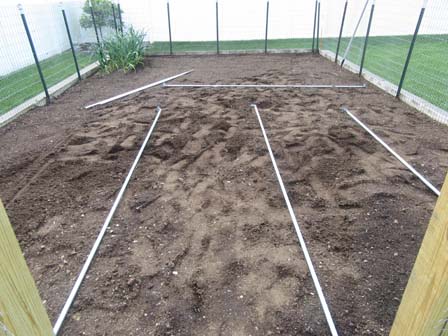
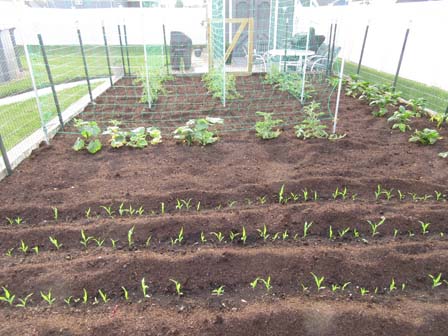
Tilled, raked, and ready for planting Sweet Peat Layer 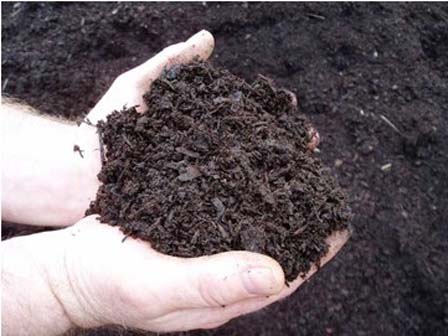
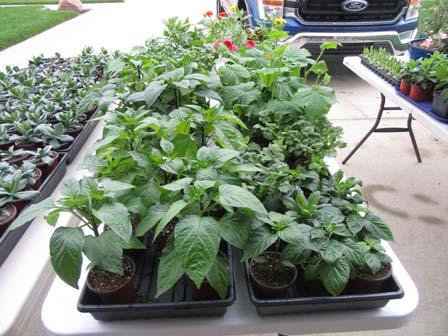
Sweet Peat Hardening plants off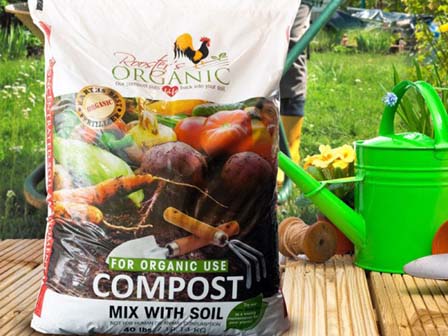
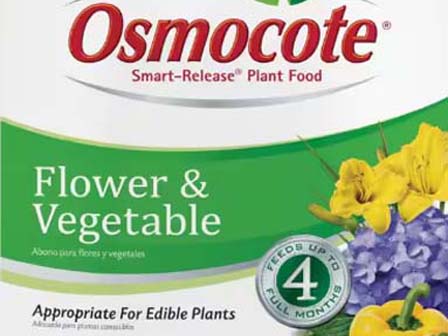
Rooster's Organic Soil Compost Osmocote Slow Release Fertilizer